Why Do Some People Play Games When They’re Lonely?
Gaming & Loneliness Insight SEA
Loneliness is a fundamental human emotion that everyone experiences at some point—whether during idle moments when no one is around, or during periods of life where you feel disconnected from society. Interestingly, when loneliness strikes, different people cope differently: some listen to music, others watch movies, and a significant number of gamers turn to playing games as emotional support. This article explores why games become a special space for those feeling lonely and why holding a controller or a mouse can soothe emptiness more effectively than many realize.
1. Games Are a Judgment-Free Space

In real life, many grow up being compared, judged, or expected to meet certain standards based on appearance, status, abilities, or social roles. These pressures can accumulate and quietly intensify feelings of loneliness. In games, however, external identity matters little. Games value only actions, decisions, and effort. No matter who you are or where you come from, performing well grants you value in that world. This judgment-free space is why games serve as a refuge for many lonely players.
2. Games Substitute Social Interaction
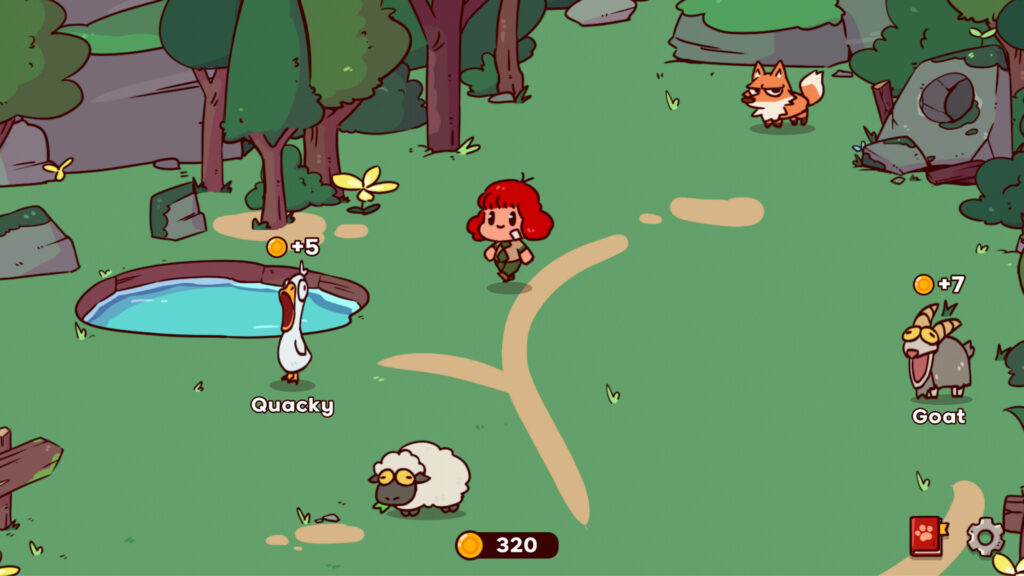
When real-life relationships are missing or incomplete, loneliness can intensify—especially for those uncomfortable in social settings. Games act as a safer alternative for social interaction, whether chatting with NPCs, teaming up with other players, or forming bonds with characters in a story. These interactions signal to the brain that connection still exists, reducing feelings of isolation and filling emotional gaps to some degree.
3. Games Provide a Sense of Control

In real life, many face situations beyond their control—jobs, relationships, societal expectations. This sense of powerlessness often links directly to loneliness. In games, players control the world around them—choosing paths, strategizing, or determining a character’s fate. Outcomes directly result from the player’s actions. This perceived control, even in a virtual world, helps stabilize the emotional state of someone feeling lonely.
4. Games Give Meaning to Time

Loneliness often accompanies a sense of emptiness, leaving people questioning the purpose of their time. Games transform idle periods into structured, meaningful experiences—completing quests, leveling up, unlocking storylines, or developing characters. Every action serves a purpose, making time spent feel worthwhile. For lonely players, gaming isn’t just entertainment—it helps organize life during uncertain emotional moments.
5. Games Offer an Escape from Emotional Pain

Loneliness often comes hand-in-hand with sadness, disappointment, or unwelcome memories. Games provide a temporary emotional refuge, allowing players to focus on gameplay, stories, or challenges instead of painful thoughts. Even a short escape can help the mind rest, recharge, and prepare to face reality again.
6. Games Provide Recognition Absent in Real Life
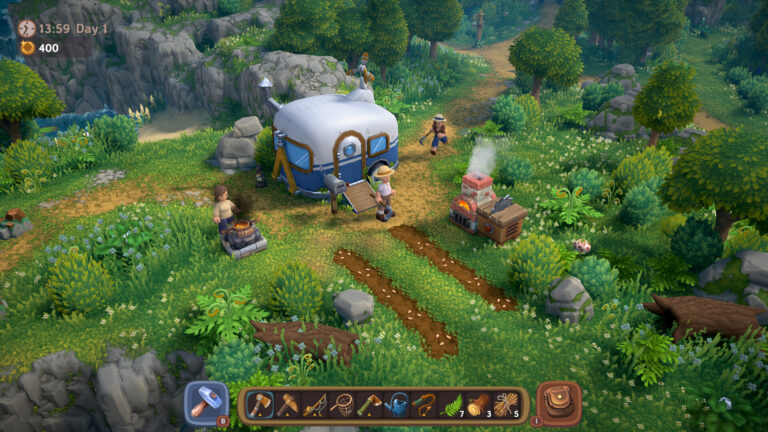
Some people feel overlooked, undervalued, or unacknowledged in reality. Games reward effort in tangible ways—achievements, rare items, and praise from teammates. These validations provide recognition often missing in real life, giving players a sense of accomplishment and meaning, which makes games a comforting space for self-worth.
7. Games Allow Players to Create a New Identity

Life comes with limitations, predetermined roles, and social expectations. Games let players experiment with new identities—heroes, strategists, or ordinary people with value. Characters in games aren’t bound by past failures or external judgment. Trying out these new roles helps heal feelings of inadequacy, giving lonely players a safe space to explore stronger or more confident versions of themselves.
8. Games Reduce the Feeling of Being Alone
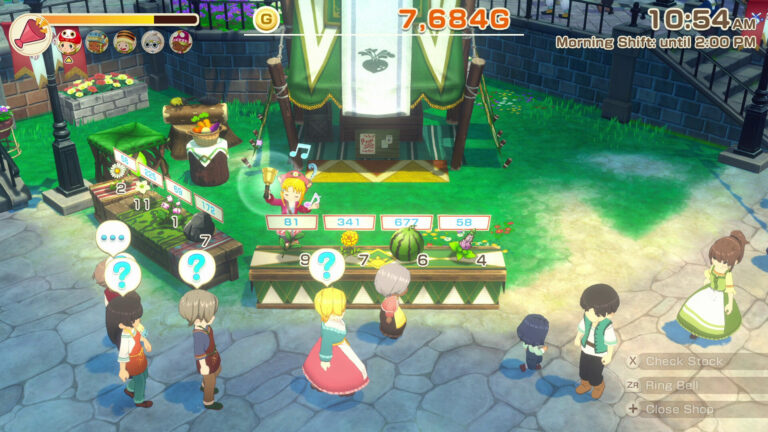
While gaming is often a solitary activity, it rarely feels truly isolating. Music, environments, stories, and characters create a sense of companionship. Players aren’t in a void—they journey with characters, narratives, and emotions designed to accompany them. For someone lonely, this “presence” offers reassurance and emotional support, even when physically alone.
Conclusion
Playing games when lonely is more than just escapism—it’s a psychological coping mechanism. Games provide safety, meaning, recognition, and connection that may be missing in real life. For some, games are not mere entertainment—they are temporary sanctuaries that allow players to keep moving forward, even when loneliness lingers.