Why Gamers Rage Quit and What Triggers the Anger


Why Gamers Rage Quit and Why It Happens So Often
Hello fellow gamers. In the world of gaming, not every moment is pure fun. Players deal with pressure, expectations, and long hours poured into a match. When the game turns against them and situations start collapsing fast, emotions erupt. Rage Quit emerges as the moment when frustration becomes unbearable and players leave the game instantly. The trigger might be an unfair mechanic, a teammate issue, or an unlucky situation. Whatever the cause, quitting becomes a way to protect emotions before they spiral. This article looks at why Rage Quit is so common and what psychological factors fuel this reaction.
1. Expect very high effort
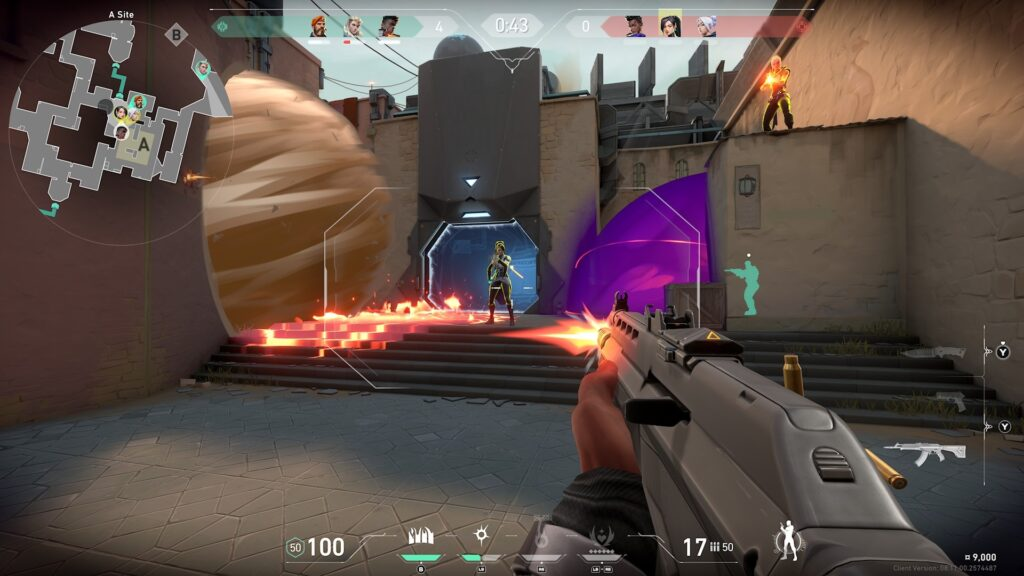
Players put more time, energy, and focus into games than they realize. They grind for rare items or attempt levels that demand constant precision. This investment builds high expectations that success should follow. When outcomes collapse due to small errors, unfair deaths, or unlucky timing, disappointment hits hard. The emotional crash becomes overwhelming, and players pull away immediately. This is the core source of Rage Quit, especially in games that require deep emotional commitment.
2. Stress accumulates in competitive games

Competitive games create intense pressure. Systems, opponents, and personal expectations collide. When players repeat missions to climb ranks or keep points, they carry tension without noticing. One mistake from a teammate or a misread moment can break concentration. The pressure that builds with every second explodes quickly. That is why competitive games show the highest number of Rage Quit situations. Every play is a high-stress moment waiting to burst.
3. Ego and feeling challenged
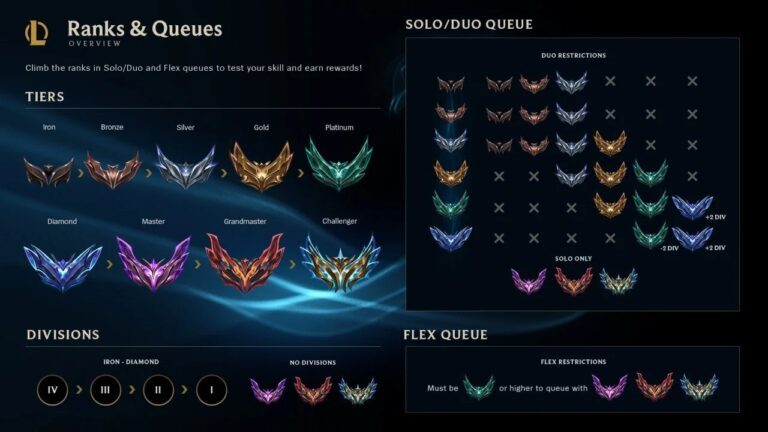
Gaming also links closely to ego and the desire to overcome challenges. Repeated losses, being outplayed, or making a mistake at a crucial point hits pride fast. Even when no one is mocking the player, the feeling of being challenged builds pressure. When ego takes a hit, emotions rise. Players leave to stop the frustration before it grows further. Pride is sensitive and even the smallest situation can ignite a powerful emotional response.
4. Feelings of injustice in the game
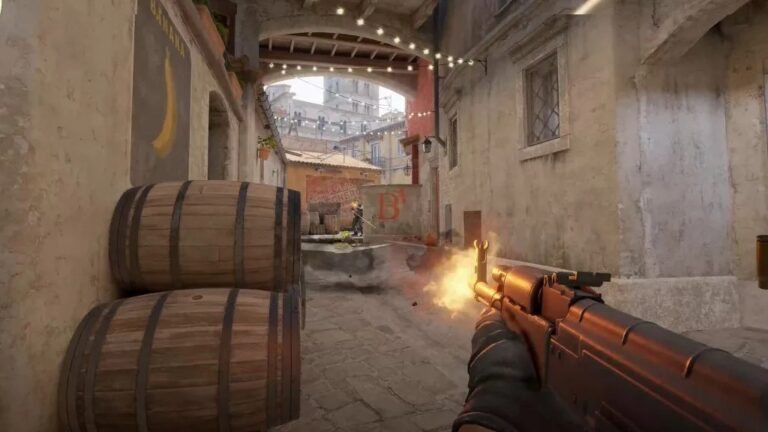
Another strong trigger is the feeling that the game is not fair. Lag that blocks skills, broken mechanics, or unpredictable bugs push players to believe the outcome is rigged. When players feel powerless and see their efforts wasted for reasons outside their control, they leave instantly. A fraction of unfairness is enough for Rage Quit to surface because the emotional cost outweighs the moment.
5. Games designed to be difficult
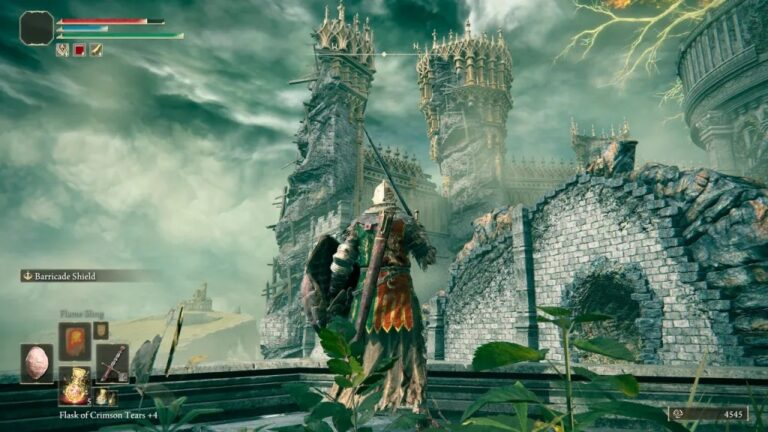
Some games are designed to be extremely difficult. These titles challenge players with punishing systems, trial and error, and restarts that consume time and patience. Souls-like games or games with strict failure penalties force players to repeat the same section again and again. When a near victory suddenly collapses, irritation rises sharply. Difficult design becomes a source of pride for those who overcome it, but it is also a source of explosive frustration. Rage Quit acts as a temporary pause, giving players time to breathe and return later with a clearer mind.
In the end, Rage Quit is more than a moment of anger. It reflects deep emotional ties players build with their games. From effort and expectations to stress and competitive tension, everything blends into a powerful emotional mix. Stepping back becomes a way to cool down and preserve the fun that gaming is meant to bring. Even when the moment feels bad, taking a break keeps the experience positive and helps players return stronger.
Rage Quit moments happen because players care deeply about their gaming experience. The frustration is not weakness but passion clashing with pressure. When emotions flip from excitement to overload, stepping away is a healthy reset. Gaming should always be a space for growth, challenge, and joy, and understanding Rage Quit helps players return to their games with clearer minds and stronger resolve.


