microSD Slots May Return to Phones
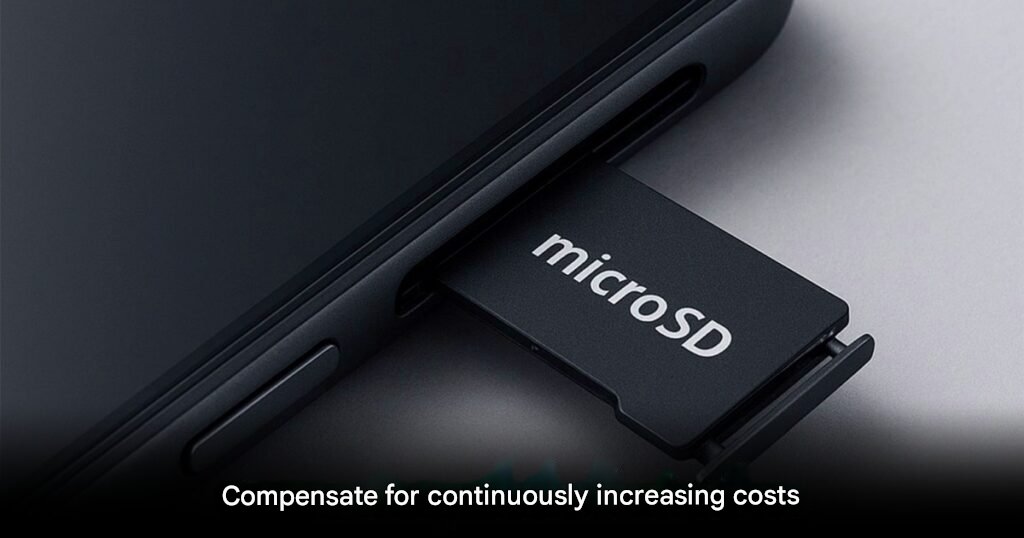
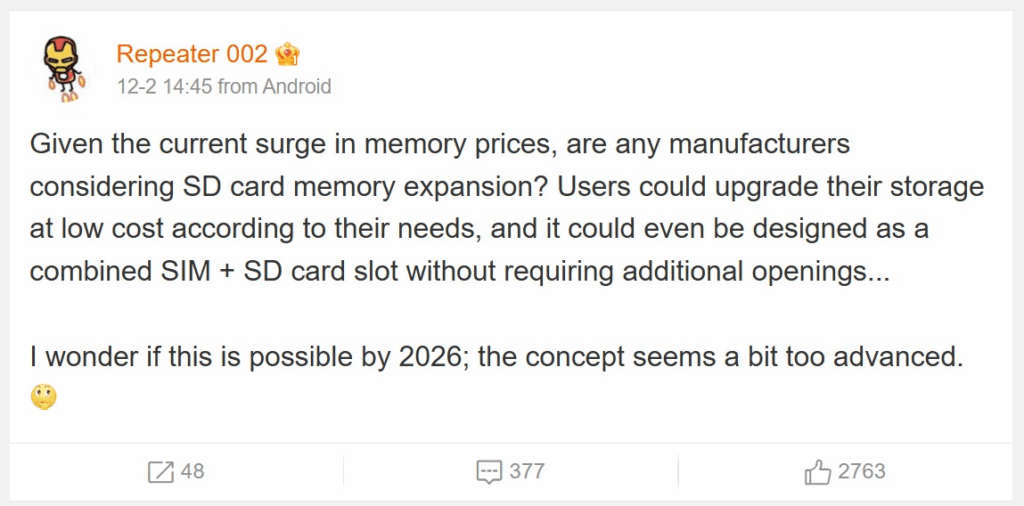
A new report circulating across Chinese tech communities has caught the attention of smartphone users worldwide, as industry sources claim that several manufacturers are now discussing the possibility of bringing back the microSD card slot in upcoming devices. The renewed interest in expandable storage comes at a time when the global cost of memory components continues to climb. The information was shared by a Weibo user known as Repeater 002, who did not name any specific brands but pointed out that multiple suppliers in China see the situation as increasingly likely.
The DRAM industry is facing a severe supply shortage that is projected to continue until the final quarter of 2027, pushing memory prices higher across the entire tech sector. Consumers have already felt the pinch through the rapidly increasing cost of PC memory kits, and the same trend is now affecting the memory chips used in smartphones. The situation is so strained that even Samsung’s Device Solutions division has reportedly refused long term memory allocation requests from the company’s own Mobile Experience unit, opting instead for quarterly agreements to avoid risks tied to volatile pricing. The price of a 12GB LPDDR5X chip has already reached around 70 US dollars, more than double its cost earlier this year, which has forced manufacturers to find new strategies to protect their profit margins.
As memory costs surge, the pressure on smartphone pricing grows as well. Manufacturers must evaluate how much of the rising cost they can absorb without driving retail prices too high. Reintroducing the microSD slot becomes an appealing solution because it allows consumers to purchase a device with lower base storage and expand it later on their own. This keeps starting prices competitive while preventing shipment numbers from dropping due to higher production expenses.
If companies decide to revive the microSD slot, adopting the microSD Express standard would eliminate the performance bottlenecks associated with older cards. An example is Samsung’s 512GB P9 Express card, which reaches speeds up to 800MB per second and costs roughly 74.99 US dollars, making it far more cost efficient than upgrading internal storage directly from manufacturers. However, current smartphone models already in production are unlikely to receive last minute design changes to accommodate card slots, making it more realistic that any official return would begin appearing in devices launching during the second half of 2026. For users who rely on keeping large amounts of data on their phones, this potential comeback could be a welcome shift.
The smartphone market could soon return to a more user friendly era where expandable storage gives buyers greater control over cost and convenience. With memory prices climbing and internal upgrades becoming more expensive, the revival of the microSD slot feels less like nostalgia and more like a practical step forward. If manufacturers truly want to keep devices accessible while sustaining growth, expandable storage might be the smartest path back to balance.
origin: wccftech