Google’s New Desktop Vision
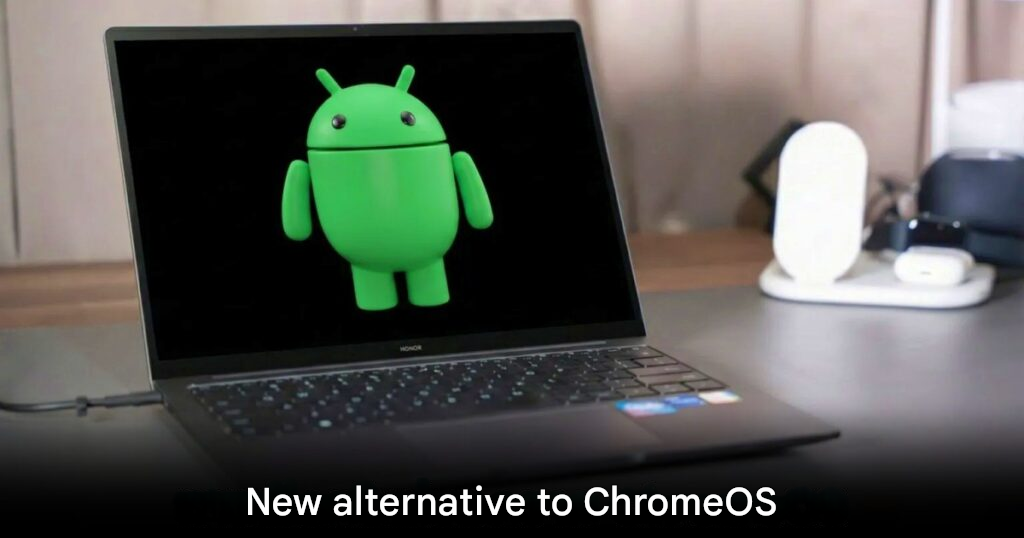
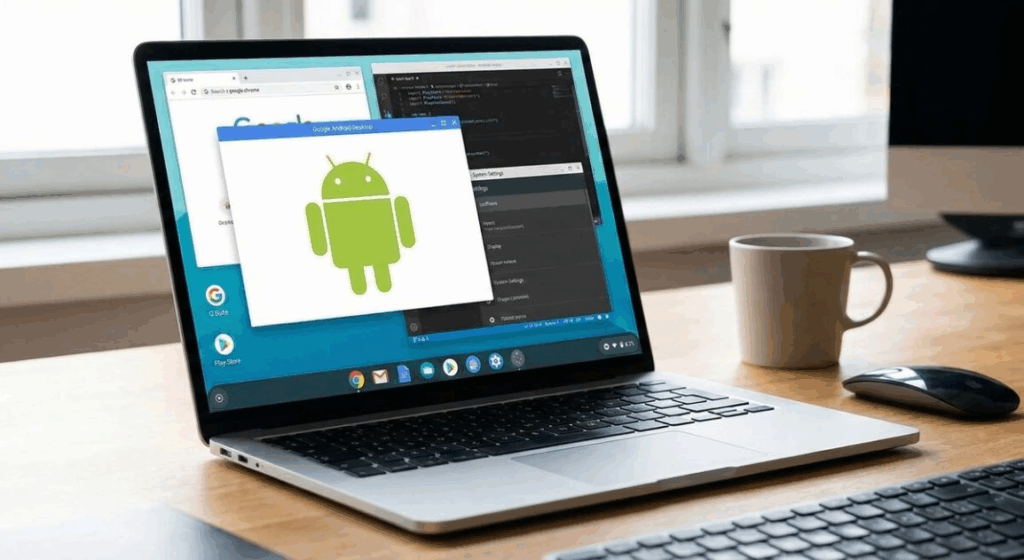
Google is accelerating its push into the global PC market with Aluminium OS, a new Android-based desktop operating system designed to unify its fragmented platform into one cohesive ecosystem. Internal documents and job listings reveal that Google aims to build a powerful and versatile system capable of competing directly with Windows and macOS by leveraging Android’s flexibility and the intelligence of Gemini as a core component.
ChromeOS has struggled to penetrate the high-end market despite maintaining a strong presence in education across North America. Its limitations in heavy processing tasks were a long-standing obstacle. Aluminium OS is being developed to solve this problem by expanding support across a wide range of hardware including laptops, tablets, detachable devices, and mini PCs. Google plans to separate product tiers clearly with categories such as AL Entry, AL Mass Premium, and AL Premium to push aggressively into premium hardware segments.
A Unified Platform Powered by AI
The project began shortly after Google’s joint announcement with Qualcomm during the Snapdragon Summit in September. Google confirmed its intention to bring Android to PCs to create a unified technical foundation for desktops and mobile devices. Aluminium OS integrates Gemini deep into the system’s core, allowing PC users to access the complete Google AI stack including large language models, smart assistants, and apps across the ecosystem.
While all AI features have not been fully revealed, the direction is clear. Aluminium OS aims to use NPU, GPU, and CPU resources efficiently to push Android’s capabilities on powerful hardware far beyond what ChromeOS previously offered. The system will support windowed multitasking, multi-display setups, and more advanced resource management to exceed conventional desktop performance expectations.
What Happens to ChromeOS
The future of ChromeOS is a key question. Internal reports indicate a gradual transition toward Aluminium OS to ensure minimal disruption for enterprise and education users. ChromeOS Classic will remain available during the transition phase, and some Chromebook models may receive upgrades if their hardware is capable. This approach shows Google’s long-term strategy of merging platforms without alienating its current user base.
Launch Timeline
Aluminium OS is expected to launch in 2026 with the first version built on Android 17. This marks Google’s most ambitious attempt yet to compete head-on in the desktop computing space. If successful, Aluminium OS could redefine the personal computer landscape and intensify competition with both Microsoft and Apple on a global scale.
THIS IS OUR SAY
Google stepping into the high-performance desktop arena with an Android-based system is a bold play that could shake the industry. If Aluminium OS delivers the power, AI depth, and seamless experience it promises, the entire PC market may be forced to rethink what a modern desktop can be.
Source: Androidheadlines