2026 Chip Shortage Set to Push Electronics and Smartphone Prices Up by 20%
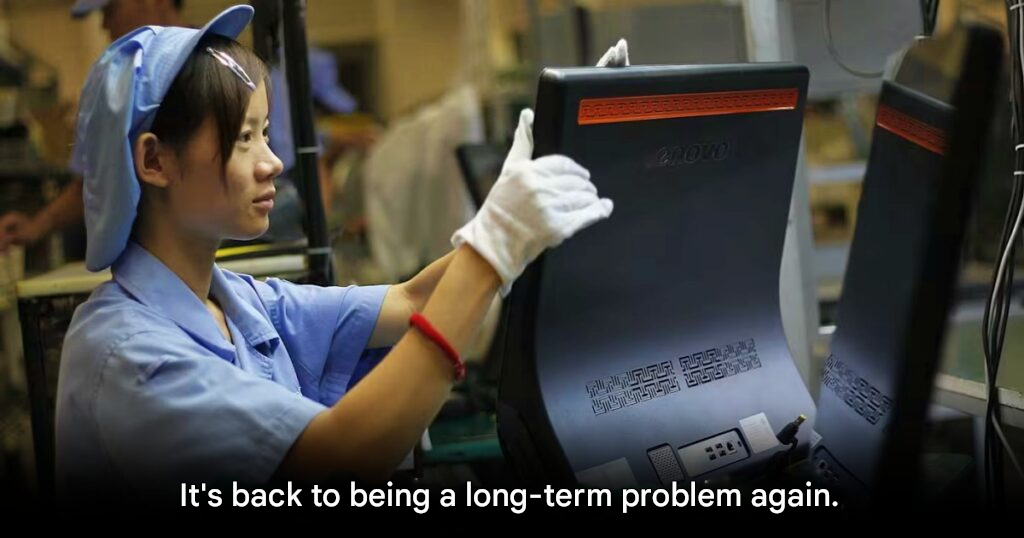
AI demand drives global memory chip crunch and cost spikes
Consumers around the world may need to brace for rising prices on smartphones, computers, and household electronics in 2026. Multiple manufacturers and analysts have issued warnings that the ongoing chip shortage, particularly in high-performance memory components, is driving production costs sharply upward. Estimates suggest that retail prices for electronics could increase by as much as 20% as manufacturers attempt to offset soaring component costs.
Major Electronics Companies Confirm Pressure on Supply and Prices
Global tech giants such as Dell, Lenovo, Raspberry Pi, and Xiaomi have confirmed that chip shortages are putting significant pressure on production plans. Dell executives noted unprecedented rapid increases in manufacturing costs, signaling that higher prices for consumer devices are likely inevitable in 2026.
The shortage is primarily driven by the explosive growth of AI-focused data centers, which demand vast quantities of high-performance memory chips. As manufacturers prioritize the more profitable AI market, lower-end chips for everyday electronics and automotive applications face severe scarcity. DRAM, a critical component for nearly all digital devices, is particularly affected.
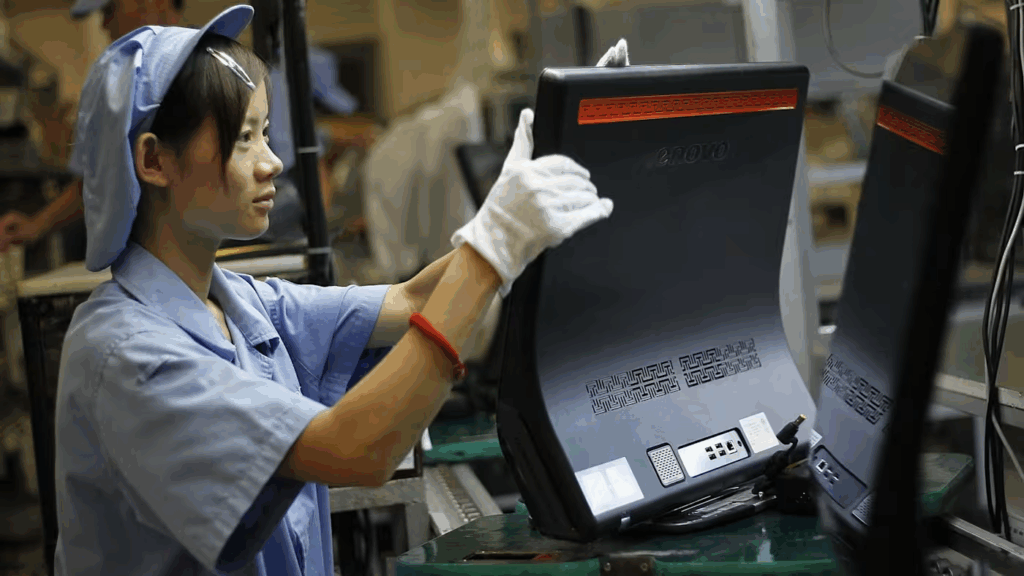
Supply Crunch Intensifies as Companies Stockpile Chips
Rising concerns over tight supply chains have prompted companies to begin stockpiling memory chips, further accelerating global price increases. TrendForce predicts that average DRAM prices could rise 50–55% during the transition from late 2025 into 2026. Market leaders Samsung and SK Hynix, which control over 70% of the global memory market, report that preorders for 2026 have already filled their production quotas.
Analysts forecast that electronics prices in 2026 may climb 10–20%, even as some major brands try to absorb part of the cost to retain customers. However, fierce competition for limited chip supplies from cloud providers like Amazon and Google leaves consumer electronics makers with few options, forcing potential compromises on specifications or retail prices to sustain business operations.
Long-Term Outlook
Although leading chipmakers have announced plans to expand manufacturing facilities, full production capacity could take 2–3 years to achieve. Experts therefore expect the supply shortage to persist through at least 2027. In the short term, consumers planning to purchase new devices may need to act quickly to avoid higher prices, as market analysts continue to warn of steep cost pressures ahead.
Origin: FT