Apple A20 Chip Cost May Increase by 80 Percent
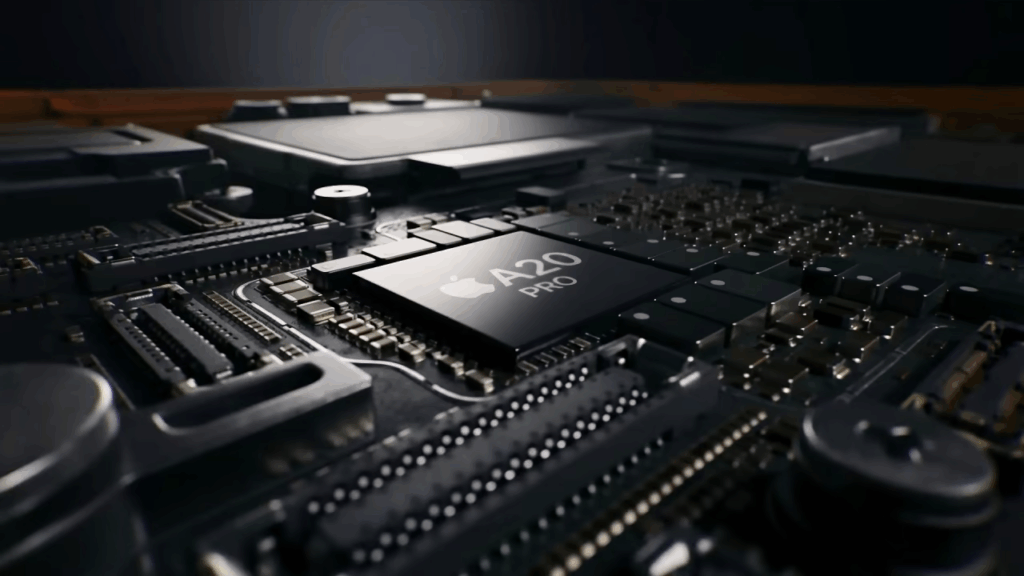
Apple is preparing to adopt TSMC’s advanced 2 nanometer manufacturing process exclusively for its next generation A20 processor, which is expected to power the upcoming iPhone 18 Pro. While this move strengthens Apple’s leadership in smartphone performance, it also comes with a dramatic rise in production costs.
According to industry reports, TSMC has secured major 2 nanometer chip orders not only from Apple, but also from Qualcomm and MediaTek, reinforcing its dominance in cutting edge semiconductor manufacturing.
Record High Production Costs
Being at the forefront of semiconductor technology is never inexpensive. Data from Economic Daily News suggests that the A20 chip used in the iPhone 18 Pro could cost Apple as much as USD 280 per unit, representing an increase of more than 80 percent compared to current generation chips.
This would make the A20 the most expensive mobile processor ever produced. The price hike aligns with earlier warnings that TSMC plans to raise wafer prices for advanced nodes due to escalating manufacturing complexity and development costs.
TSMC 2nm Roadmap and Industry Adoption
TSMC officially began mass production of its 2 nanometer N2 process in the fourth quarter of 2025 and continues to accelerate development. The improved N2P process, offering better power efficiency and performance, is scheduled to arrive in the second half of 2026.
In addition to Apple, flagship processors such as Qualcomm Snapdragon 8 Elite Gen 6 and MediaTek Dimensity 9600 are also expected to adopt this manufacturing technology, signaling an industry wide transition to the 2-nanometer era.
Competition and Market Impact
Samsung is also advancing aggressively, having recently unveiled its Exynos 2600 2 nanometer chip featuring Gate All Around architecture, designed to significantly enhance generative AI performance. However, this chip is expected to be used primarily within Samsung’s own Galaxy lineup rather than competing directly with TSMC in contract manufacturing.
Rising chip prices present a growing challenge for smartphone manufacturers worldwide, especially as memory component costs continue to climb. Analysts warn that these combined factors could slow global smartphone shipments in 2026 as overall bill of materials costs increase across the board.
What This Means for Consumers
With production costs rising in nearly every component category, manufacturers may have little choice but to pass part of the burden onto retail pricing. As a result, consumers should be prepared for higher prices on next generation flagship smartphones, including the iPhone 18 Pro.
This trend is not limited to Apple alone, as premium Android smartphones are also expected to see price adjustments. The year 2026 may become one of the most challenging periods yet for the high-end smartphone market, highlighting the true cost of cutting edge innovation.
Origin: iclarified