Unity AI Game Creation Signals a New Era for Casual Games
The future of Unity AI game creation is quickly taking shape. Unity has announced a major strategic shift for 2026, revealing plans to let users create full casual games simply by typing natural language prompts, a concept described internally as Prompt-to-Game.
According to Matt Bromberg, this approach could remove the traditional barrier of coding knowledge. As a result, anyone with an idea may soon be able to build a playable game directly inside a browser-based environment.
Unity AI Beta to Debut at GDC 2026
During its latest earnings briefing, Bromberg explained that AI-driven authoring stands as Unity’s second-highest priority for 2026. Therefore, the company plans to reveal a beta version of Unity AI at the upcoming Game Developer Conference in March.
Unlike generic AI tools, Unity AI will connect prompts directly to the engine’s runtime and project context. Consequently, generated results should be more accurate, functional, and production-ready, rather than simple prototypes or disconnected assets.
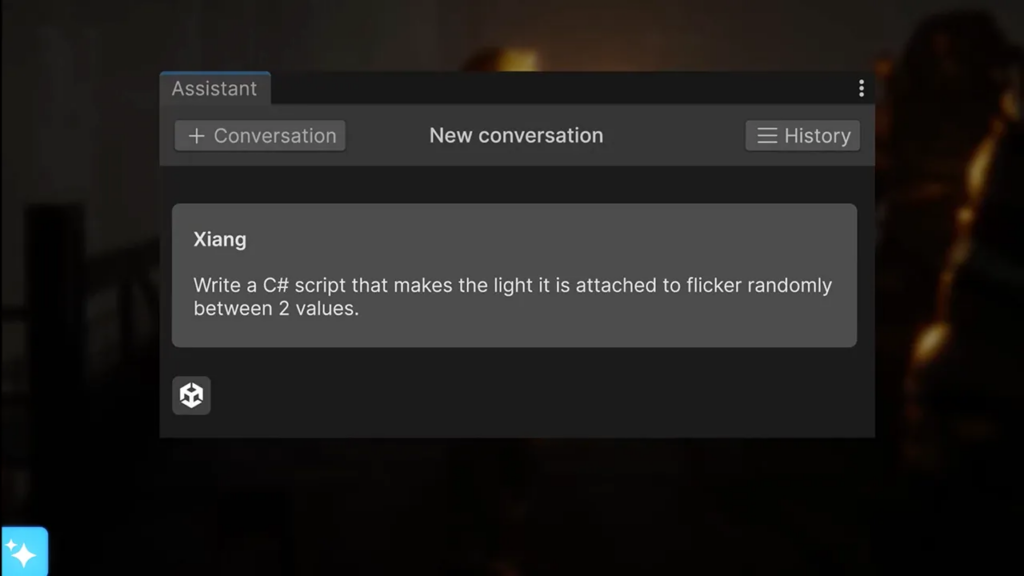
Democratizing Game Development Through AI
Unity believes this technology will significantly democratize game development. On one hand, creators without programming backgrounds can turn creative ideas into playable experiences. On the other hand, professional developers can accelerate workflows and reduce repetitive tasks.
Because of this dual benefit, Unity positions AI not as a replacement for developers, but as a productivity multiplier. In practice, this means teams could move faster from concept to launch while maintaining creative control.
Partnerships Powering Unity’s AI Vision
To support this shift, Unity AI already integrates large language models from partners such as OpenAI and Meta. Additionally, Unity collaborates with Scenario and Layer AI to enhance asset generation and refinement.
Through these partnerships, Unity signals that AI is no longer a side feature. Instead, it becomes a core pillar of the engine’s long-term ecosystem and business strategy.
Industry Concerns and Unity’s Long-Term Bet
Nevertheless, not everyone welcomes this change without concern. Some developers worry that prompt-based creation could devalue craftsmanship or reduce entry-level job opportunities. However, Unity maintains that expanding access will grow the overall market.
By enabling tens of millions of new creators, Unity expects broader content creation, stronger ad ecosystems, and a healthier industry overall. While debate continues, the company remains firm in its direction.
What to Expect Next
Unity AI Beta will officially debut on March 12, 2026, during GDC, with live demonstrations planned. If successful, this system could redefine how casual games are made, shared, and monetized worldwide.
Ultimately, Unity AI game creation may transform a single typed idea into a fully interactive digital experience faster than ever before.
Origin: Gamedeveloper