5 Divisive Gameplay Elements in Arknights: Endfield That Split the Player Base
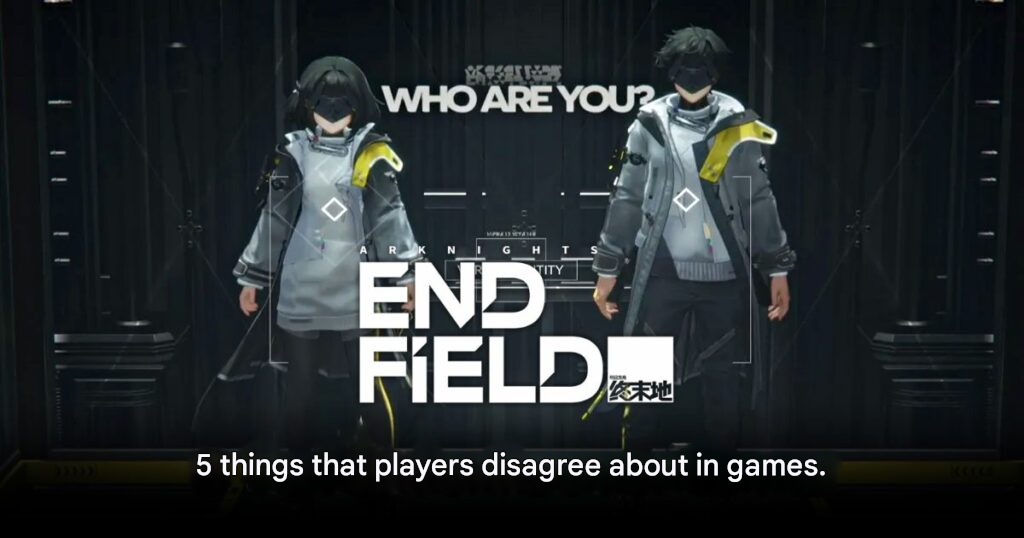
5 Divisive Gameplay Elements in Arknights: Endfield
If you love it, you really love it. If you do not, you uninstall.
For many players who have tried Arknights: Endfield, this description fits perfectly. The game rose in popularity very quickly and built a strong fanbase, but at the same time, a noticeable number of players tried it briefly and decided to quit.
The reason is simple. Arknights: Endfield is a game with a very clear target audience and a strong identity. There is almost no middle ground. Players who enjoy its systems can easily sink dozens of hours into it, while those who dislike them often leave early without looking back.
Here are five major gameplay elements that continue to split the player base into two very different camps.
1. A gacha system that breaks familiar rules
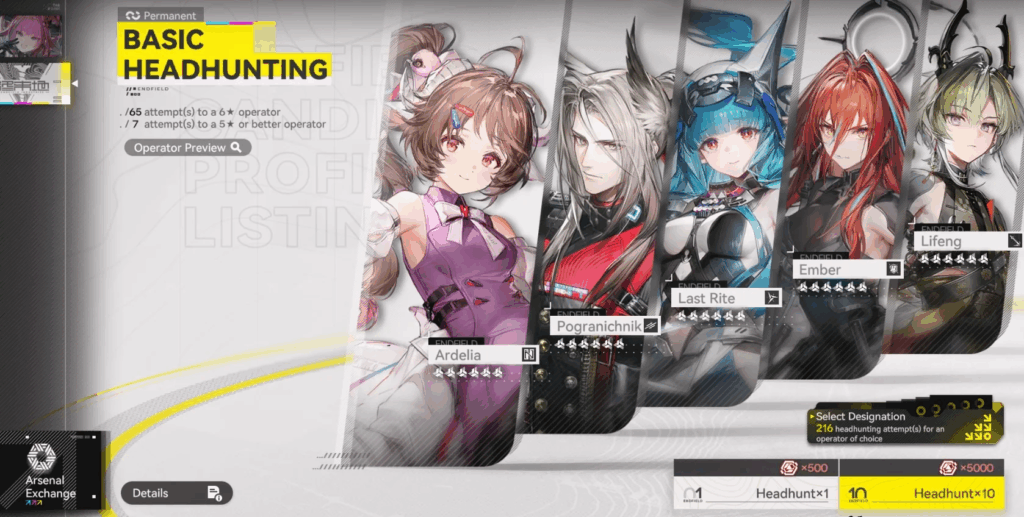
Players who are experienced with gacha games are usually familiar with industry standards, especially systems popularized by HoYoverse. These include pity at 80 to 90 pulls, separate character and weapon banners, rate up chances, and guaranteed results that carry over between banners.
Arknights: Endfield does none of this in the expected way.
The game introduces its own gacha structure with unique pity rules, banner stacking, and restrictions. Players must pull characters before they are even allowed to pull for weapons. Pity requires up to 120 pulls and does not carry over to the next banner. Even partial pity progress resets when banners change, and the familiar safety nets many players rely on simply do not exist here.
For some players, this system feels fresh and deliberate. For others, it feels unnecessarily complicated and punishing.
2. Mandatory factory building and production management
This is one of the most defining systems in Arknights: Endfield.
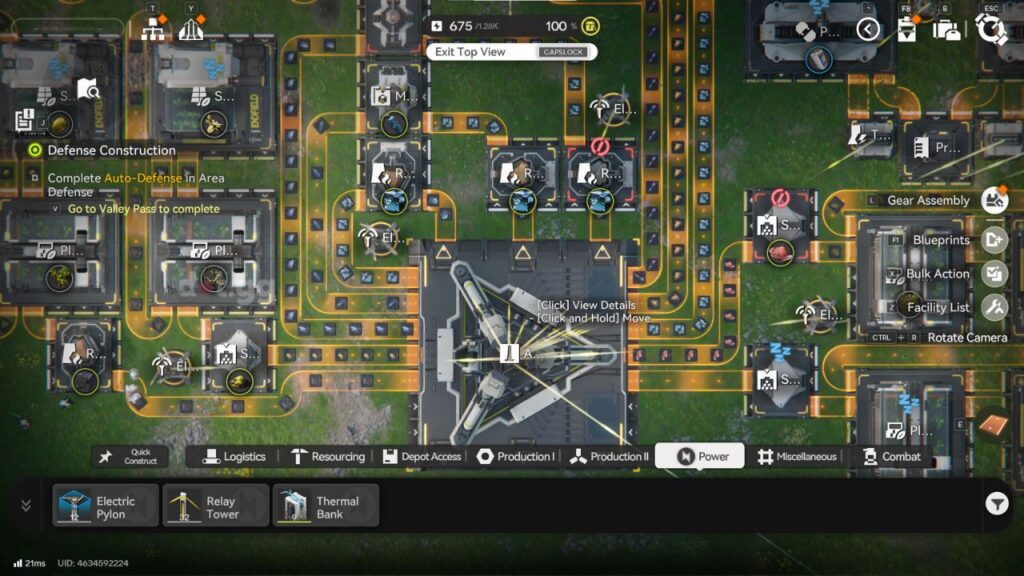
Many players love it. Designing production lines, optimizing layouts, and watching resources flow can feel creative and satisfying, almost like building a piece of functional art. Some players enjoy the feeling of being an engineer rather than just a combat-focused hero.
However, just as many players strongly dislike this system.
The factory is not optional. It is directly tied to the main story progression. If you do not engage with it, you simply cannot move forward. Even beyond the story, the factory is essential for producing medicine, upgrading characters, generating currency, and unlocking large portions of the game’s content.
Ignoring it means losing access to more than half of the game. For players who dislike management systems, this alone is often enough to quit.
3. Power grid management across a massive open world
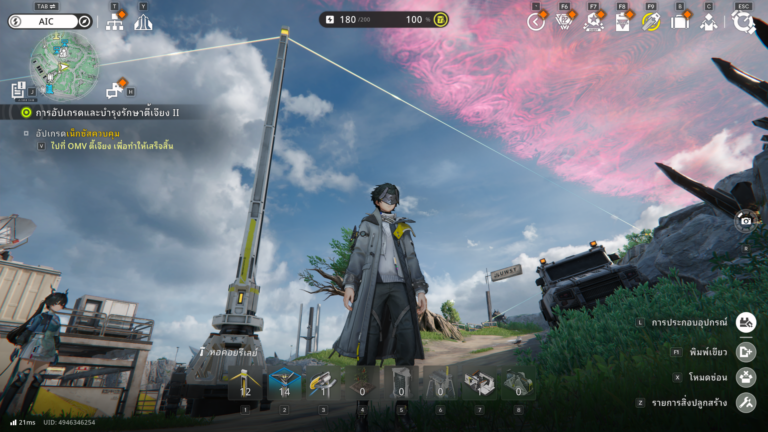
In Arknights: Endfield, you are not only an industrial engineer. You are also responsible for supplying electricity.
Many activities and locations require power, which must be delivered from your main power plant. If a point of interest is far away, the solution is straightforward but labor intensive. You manually place power poles and connect cables node by node until electricity reaches its destination.
This means that across the large open world of Talos-II, players are literally building an electrical network by hand.
For fans of system driven gameplay, this can be deeply satisfying. For players who just want to explore and fight, it feels like tedious busywork that interrupts the core experience.
4. A trading system that feels like playing the stock market
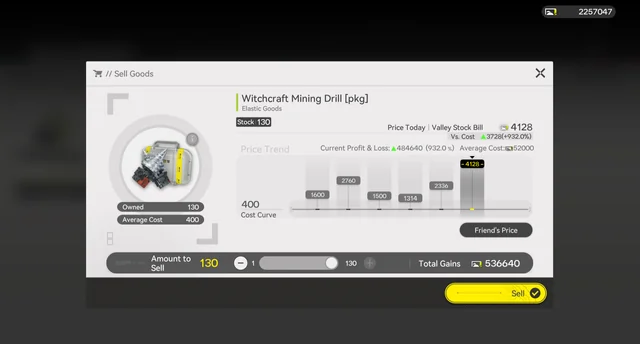
Beyond factories and power grids, Arknights: Endfield also turns players into traders.
Players sell goods produced by their factories, earn system specific currency, and use that currency to trade with nearby settlements. Prices fluctuate over time based on in-game conditions rather than server activity or other players.
This means strategies cannot be copied from others. Players must observe trends, decide when to buy or sell, and manage risk to maximize profits.
Some players enjoy the depth and autonomy this system provides. Others find it stressful, unintuitive, or simply not fun in a game they expected to be more straightforward.
5. Base management and assigning Operators to work
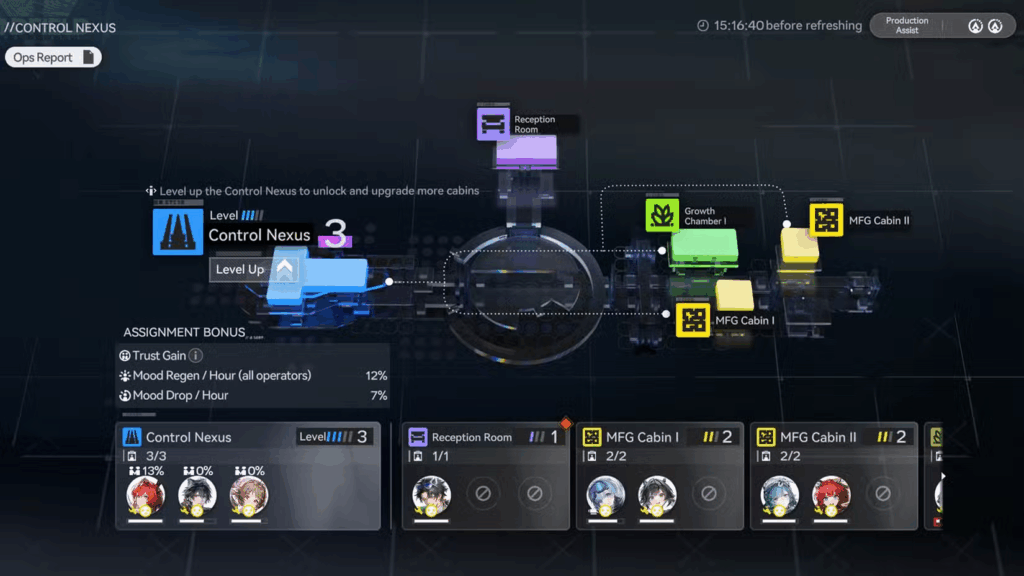
Players familiar with the original Arknights will recognize this system immediately.
In Arknights: Endfield, your orbital base contains multiple specialized rooms. These include production facilities, greenhouses, research areas, and cloning chambers. To operate efficiently, Operators must be assigned to the right departments based on their strengths.
Proper management significantly impacts progression speed and resource output.
Veteran players feel right at home. New players or those unfamiliar with this style of gameplay may feel overwhelmed, especially when juggling combat, exploration, factory planning, power distribution, and personnel management all at once.
A game with a clear identity

Arknights: Endfield is a game with extremely strong identity and design direction. That strength is also its biggest risk.
Some players find its systems deep, refreshing, and unlike anything else on the market. Others feel it is too complex, too demanding, or simply not aligned with what they want from an action RPG or gacha game.
There is no right or wrong reaction. It all comes down to personal taste.
About Arknights: Endfield
Arknights: Endfield presents a frontier themed narrative set in a vast, hostile world that blends exploration, real time strategic combat, and base construction. Players control a team of up to four Operators, combining elemental synergies and tactical coordination in fast paced encounters.
The story follows the Endministrator, known as Endmin, a legendary guardian who awakens after ten years of cryogenic sleep to lead Endfield Industries from the orbital command vessel OMV Dijiang.
On the planet Talos-II, players use the Automated Industrial Complex system to design integrated production and power networks across natural environments. As Endmin, players must manage infrastructure, defend Civilization Bands from organized raiders, and uncover the origins of the mysterious mission known as the Zeroth Directive.
The game features modern graphical technology, including native 120 FPS support, realistic snow footprints, dynamic water reflections, and advanced visual effects. NVIDIA DLSS Super Resolution and Frame Generation can be enabled independently. Full plug and play controller support is available for both PlayStation and Xbox devices, complete with haptic feedback for an immersive experience.
For more information, visit the official website and X @AKEndfield account.