Japanese Gacha Games Fail Fast Within 3 Years
Over 70% of Japanese Gacha Live-Service Games Fail Before 3 Years
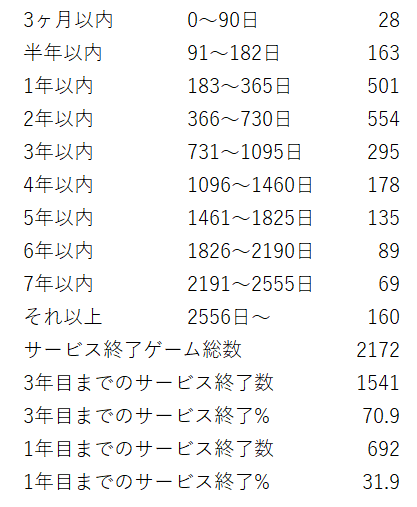
The Japanese mobile gaming industry may no longer be as vibrant as it once was. Recent research from experts studying gacha games revealed that over 70% of live-service games in Japan close before reaching their third year. This data confirms long-held suspicions that the market for these games is saturating, growth is slowing, and competition has become so intense that developers struggle to sustain their projects, especially since 2020.
Japan’s Live-Service Game Market Struggles
Ayashii Rinjin, a writer and analyst specializing in live-service games, shared research from a personal database of nearly 2,200 titles. Key findings include:
- Over 70% of games shut down before three years
- Most closures occur during the second year
- Games surviving beyond six to seven years are rarer than those ending within the first six months
These numbers confirm what industry insiders have long noted: Japan’s gacha market is hitting saturation. Players are spread across multiple games, development costs are rising, and skilled personnel are in short supply, making long-term maintenance increasingly difficult. Industry insiders have dubbed this the “Titanic collapse” of Japan’s live-service game market.
Real-World Examples
Several titles illustrate the crisis. Tribe Nine, from the creators of Danganronpa, is set to close in less than a year, while the NFT-based game TOKYO BEAST lasted only two months before declaring its end of service due to a predatory monetization model. Many games struggled with limited budgets or unsustainable management, demonstrating that live-service development is a high-stakes gamble: massive potential gains but equally massive risk of early failure.
Even long-running successes like Fate/Grand Order show that only a handful of games manage to survive nearly a decade. Maintaining a live-service game requires constant content updates, which increases developer workload annually. Over time, source code accumulates technical debt, and operating costs rise steadily.
For example, Dragon Quest of the Stars ran for ten years but ultimately had to shut down due to “technical problems that could no longer be fixed.” Japanese developer Eihigh noted, “After ten years, the game’s code had accumulated too much technical debt to resolve.”
Industry Outlook
This research signals a major turning point for Japan’s live-service game market. Most games cannot survive beyond three years, and competition from China adds even greater pressure on developers. While some are experimenting with new monetization models or reducing reliance on gacha systems, it remains to be seen if these strategies can restore market stability. Players and developers worldwide are watching closely, marking a pivotal moment for the industry.
This Is Our Say
The statistics make it clear: sustaining a live-service game in Japan has never been more challenging. High development costs, player fragmentation, and fierce competition mean that even popular franchises risk early closure. The market is evolving rapidly, and only those who adapt to new models and trends may survive the next wave of change.
Source: automaton