Gamer Builds 4D PC That Shoots at Players When Hit in Game
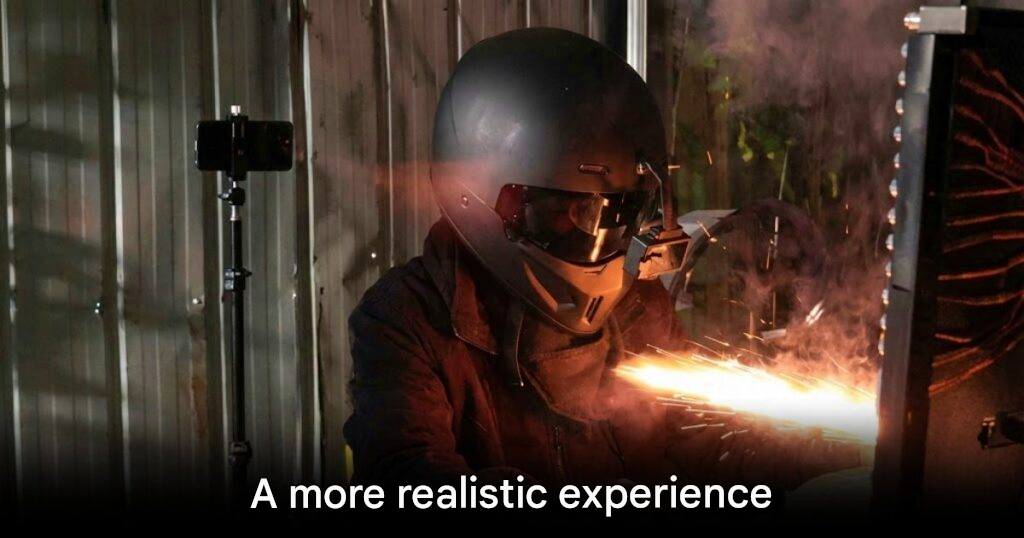
Remember the excitement of watching a 3D movie for the first time? That thrill seems minor compared to the latest creation by Chinese engineer ryc._1216, which recently went viral across social media. This cutting-edge 4D PC setup can shoot simulated bullets at the player whenever their in-game character is hit, aiming for unprecedented levels of realism in combat simulation.
How It Works
The system combines real-time game data capture with mechanical pistons, solenoids, and water spray systems. When a player takes damage in-game:
- Robotic arms respond using sensors to deliver physical impacts to the user.
- If the game features rain, water sprays simulate environmental effects, enhancing immersion.
Despite appearances, the “bullets” are completely safe and do not pose any real danger. The setup is engineered to mimic the sensation of being hit, without causing serious injury.
Why It’s Not on the Market Yet
Several factors prevent this 4D system from being commercially available:
- Safety Standards: The system directly interacts with a human body, which is extremely risky without full safety certification.
- High Costs: Building such advanced equipment is prohibitively expensive, potentially costing more than multiple high-end gaming laptops.
Currently, the system is a personal project, showcasing the extreme possibilities of immersive gaming technology, rather than a consumer-ready product.
Experiencing 4D Gaming on a Budget
While building a full 4D setup at home is impractical, players can simulate a playful version by having friends lightly nudge or spray water during gameplay. However, achieving the same level of realism safely requires expert engineering and precise control over force and timing.
Price and Availability
For those dreaming of owning a 4D reactive PC, the cost may reach $5,000 USD (≈181,250 THB) or more, depending on system complexity. For now, ryc._1216 enjoys testing the limits of immersive gameplay solo, pushing the boundaries of what’s possible in real-world gaming setups.