Steam Machine Faces 8GB VRAM Limits, Valve Responds
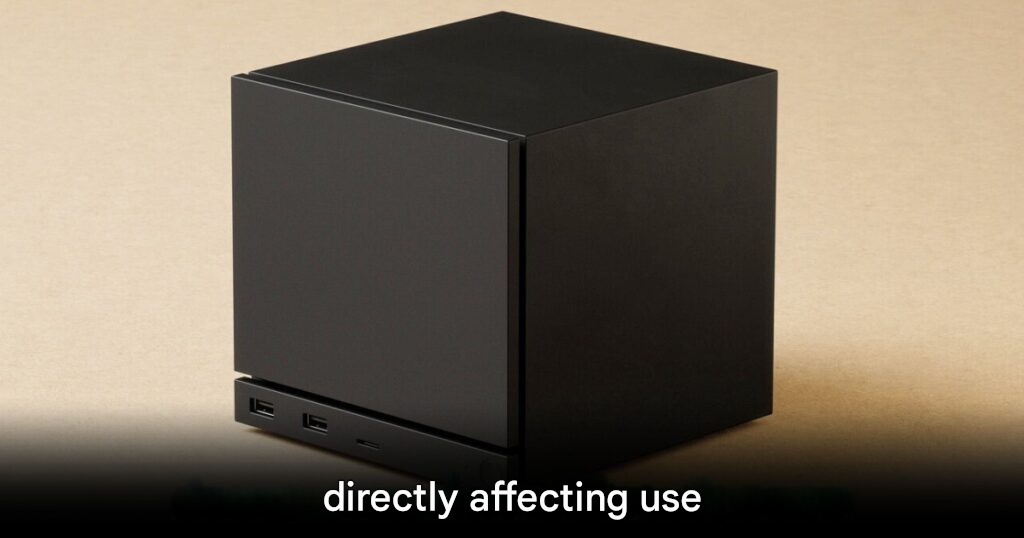
Steam Machine’s New Model Faces VRAM Limitations, Valve Confirms 8GB Constraint
Valve has openly acknowledged that its upcoming Steam Machine desktop model is not designed to chase extreme graphics performance. Instead, the system targets smooth gameplay at 1080p to 1440p, with the potential to reach 4K in select titles when FSR is enabled. However, the decision to equip the machine with a GPU featuring only 8GB of VRAM has sparked significant concern within the gaming community, as this specification has already proven to be a bottleneck for modern mid-range graphics cards from both AMD and Nvidia.
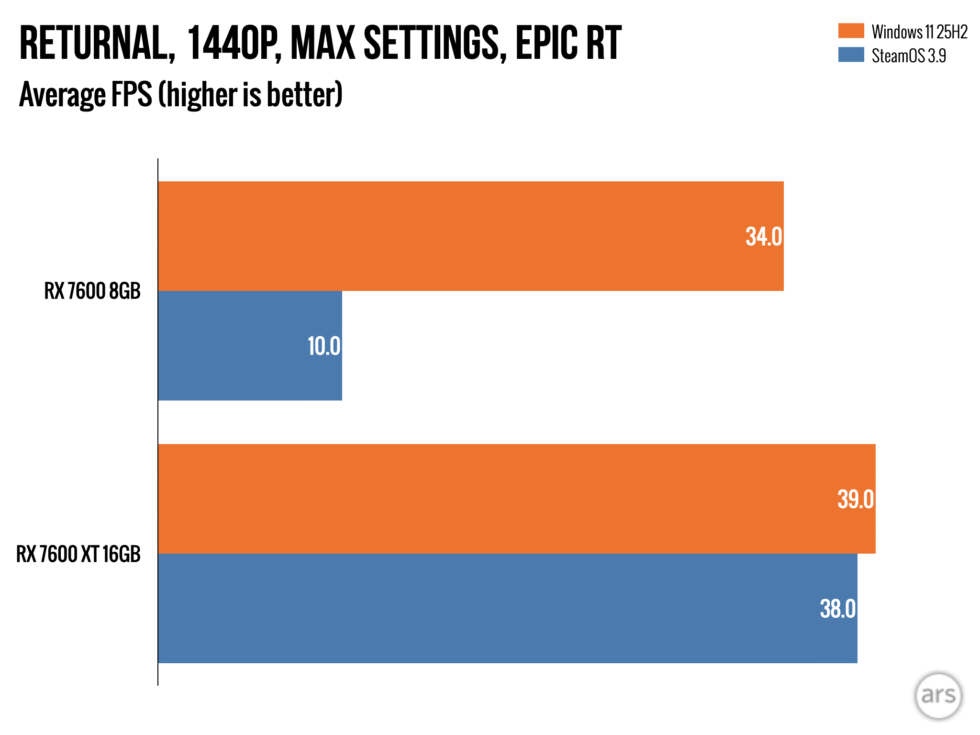
Recent performance tests intensify this concern. Data shows that 8GB GPUs running on SteamOS perform noticeably worse than on Windows 11, especially at 1440p where VRAM fills up too quickly, resulting in heavy stuttering. A comparison between the Radeon RX 7600 (8GB) and the RX 7600 XT (16GB) reveals a much wider performance gap on SteamOS despite both cards using almost identical architectures, highlighting a clear weakness in how SteamOS manages VRAM.
The most severe differences appear in ray-traced games such as Cyberpunk 2077, Returnal and Forza Horizon 5, where some titles become nearly unplayable on SteamOS despite using the same graphics presets as Windows 11. Even older titles like Assassin’s Creed Valhalla show signs of VRAM pressure, reinforcing concerns that SteamOS struggles significantly when operating within an 8GB VRAM limit.
Valve has since confirmed the issue and stated that it is actively developing a new VRAM management system aimed at reducing scenarios where the OS offloads excess game data into system RAM. This overflow is the primary cause of the sharp frame-rate drops reported by early testers. Valve’s developers are already preparing a patch for the SteamOS testing channel, although no release timeframe has been confirmed.
Historically, SteamOS has avoided heavy VRAM issues because devices like the Steam Deck and Legion Go rely on integrated GPUs capable of sharing system memory dynamically. The new Steam Machine marks Valve’s first device that must handle fixed, non-expandable VRAM, making this challenge more impactful. The company recognizes that the 8GB limit is a genuine weakness for modern graphically demanding games.
Despite this limitation, Valve believes that ongoing improvements to SteamOS and Proton will help narrow the performance gap between its platform and Windows. The goal is to maximize the potential of 8GB GPUs and ensure that users experience better consistency than what early tests have shown. As Valve continues refining its software, the gaming community remains hopeful that the Steam Machine can still deliver strong value despite its hardware constraints.
THIS IS OUR SAY
Valve’s honesty works in its favor, but choosing 8GB VRAM in 2025 is a risky move. If SteamOS optimizations can truly close the gap, the Steam Machine might still earn its place — but the burden is on Valve to prove that software can overcome a hardware ceiling.
Source: Arstechnica